
Working After Cancer Treatment
Finding your way back to work after cancer
When cancer treatment ends, people might say, “Well done, you're so brave - you can get back to normal now.” They usually mean well..
But finishing treatment doesn’t necessarily mean feeling ready to return to the life or the job you had before.
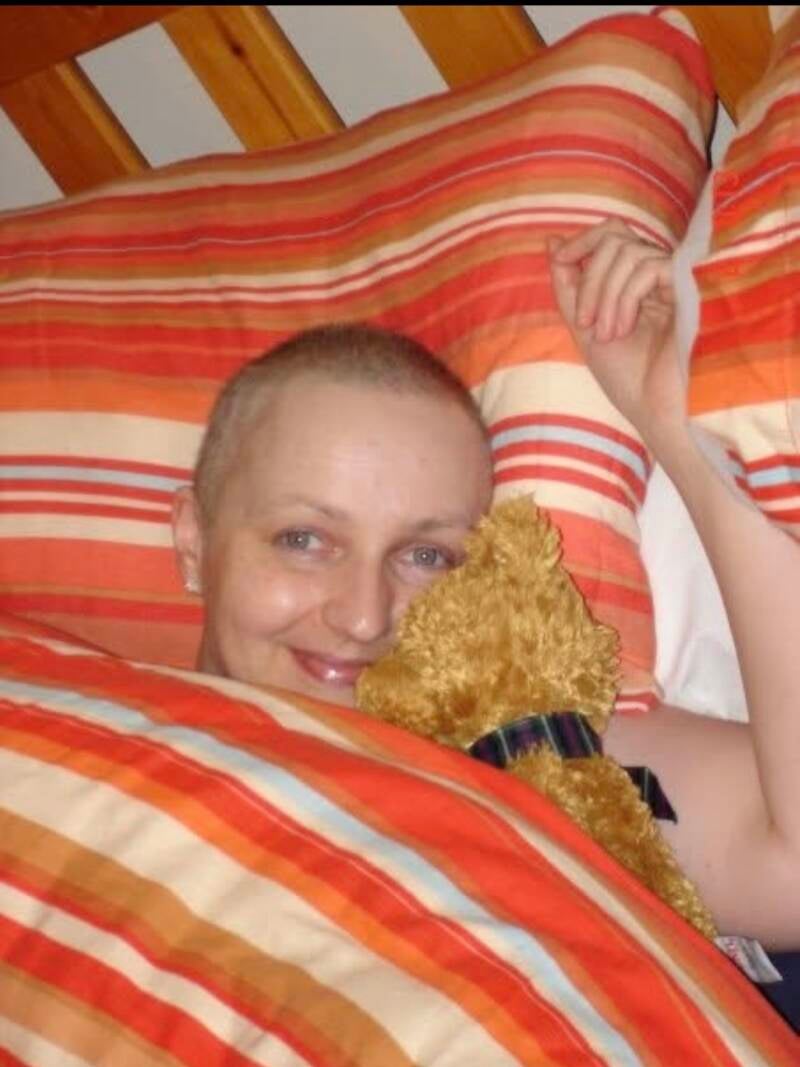
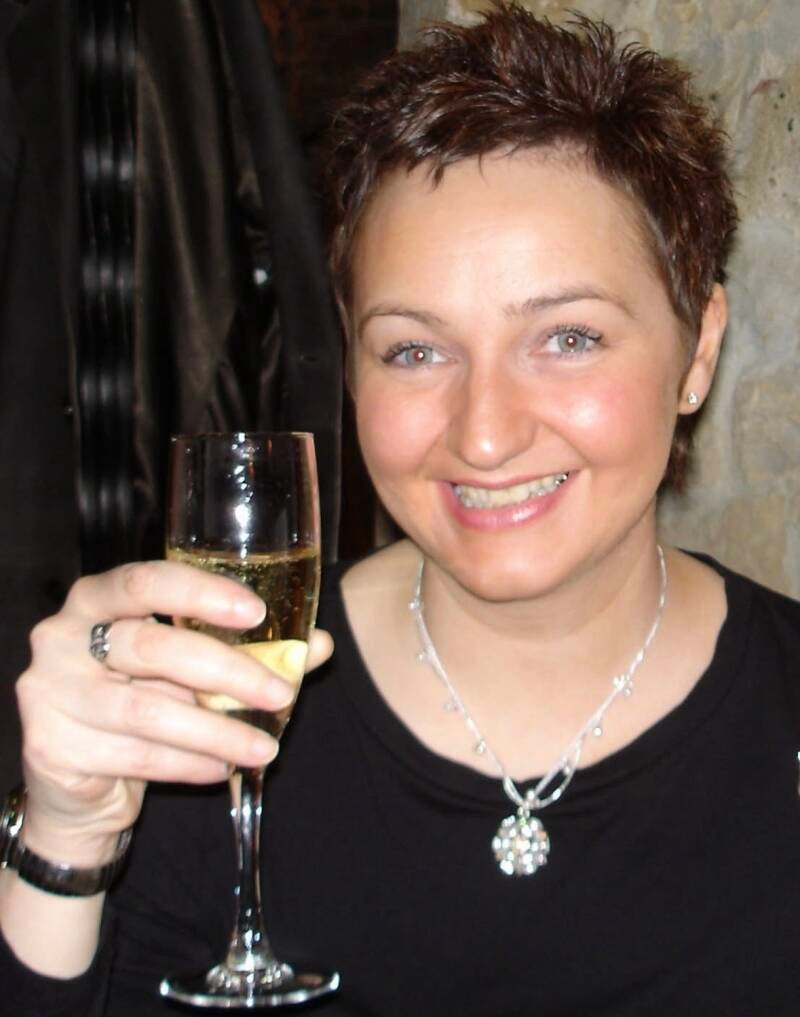
I was 31 when I was diagnosed with breast cancer. Before that, I’d spent six wonderful years working in operating theatres as a recovery nurse. I loved my job. My colleagues felt like family and I couldn’t imagine doing anything else.
After diagnosis, several surgeries, chemotherapy and radiotherapy I was eager to return to work. I wanted to feel like myself again, be "normal again"—and to care for others rather than be cared for as a patient. But although I knew my job well, I didn’t feel like the person who had left it before my diagnosis.
I struggled to concentrate, felt absent at times and I found it exhausting to fully function with new cancer medication on board.
One day, while waiting for a patient to wake up after their operation, I began to sob. Really sob. I'd never experienced a sudden wave of emotion like it. It felt like a huge weight had landed on me. I was confused and completely devastated by what had happened in my life - and it had all decided to become obvious while I was at work!
I stepped away and handed the patient over to a colleague, but the moment stayed with me. It felt as if cancer had followed me back into the life I was trying so hard to resume.
My treatment brought on what is known as a medically induced menopause. All day hot flushes, night waking, night terrors and aches and pains affected me physically, while emotionally I felt very lost and very far removed from my friends and my familiar work surroundings. I was taking hormone blocking medication alongside monthly injections to help reduce the risk of the cancer returning, but I hadn’t expected how much the treatment would change how I felt in my own body and about myself. It was brutal and the first couple of years at work after cancer was a very difficult time for me.
My role at the time included unpredictable night-time on-call shifts. I had managed them before cancer, but now the thought of being alone at work overnight and making important decisions felt overwhelming. I remember feeling incredibly guilty for struggling and found it difficult to explain what had changed. With support from a counsellor, I eventually asked my workplace to reconsider the on-call part of my role, but it wasn't easy.
Looking back, I wasn’t ready to return to work in the same way as before. My managers may not have known what support I needed or even where to start, and I didn’t yet have the words to explain it to them.
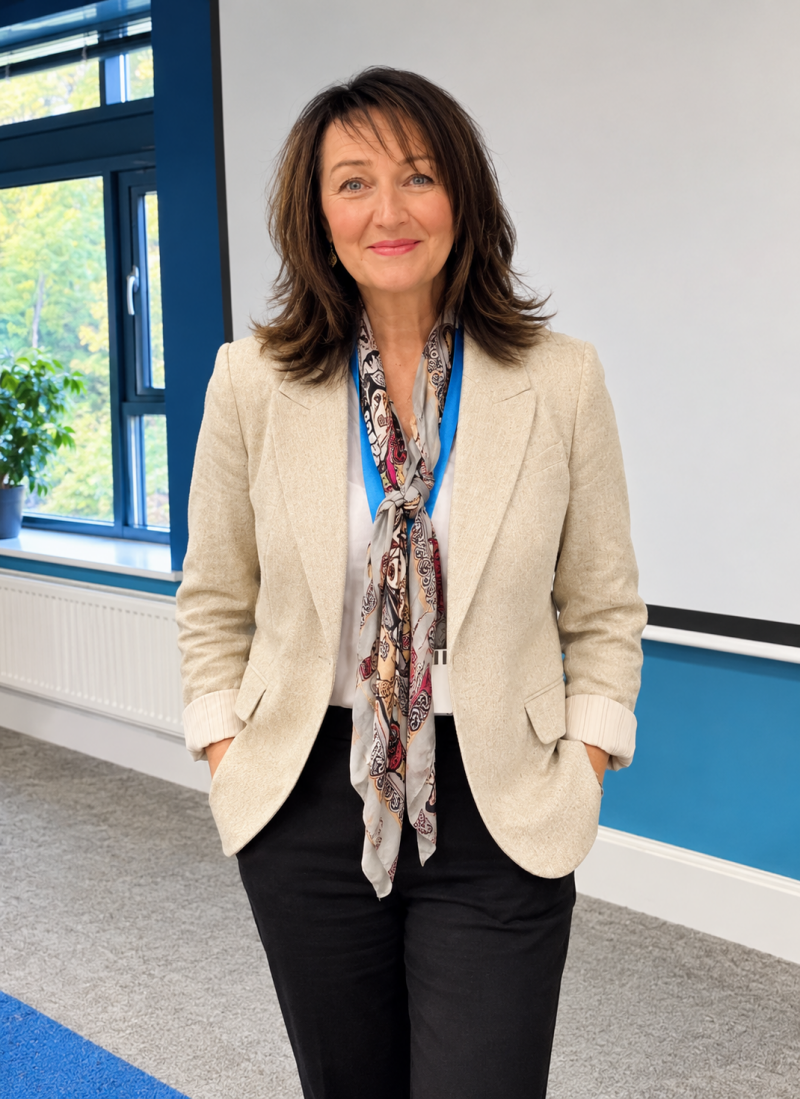
It took time - and eventually a complete change of direction - to find work that felt right for me again.
I’m sharing my own experience because returning to work after cancer can be much harder than it looks from the outside.
Cancer and its treatment can affect your confidence, wellbeing, priorities and ability to manage the demands of your job no matter how well you knew it before. The weight of a cancer diagnosis can feel hard to carry let alone any other worries and fear of recurrence which many people will feel and never choose to share with their manager.
Menopause induced by cancer treatment can add more layers to an already difficult and life changing transition.
If you’re preparing to return to work, it can help to talk with a manager you feel most comfortable speaking to before you go back and talk about what might feel manageable and what support or adjustments might help. Sometimes a phased return on its own is simply not enough as your needs may change over time once you've returned - and that’s okay.
Supportive managers will understand and will hopefully be able to offer an "off-ramp" of options or alternative solutions for managing your role if things don't work out as you had hoped.
If symptoms arising from your diagnosis and treatment are affecting your daily life, please speak with your GP, oncology team or a menopause nurse about support for managing menopause after cancer. The help is there and speaking to the right people can make all the difference.
Life can change after cancer—and so can you. Try to be patient and kinder to yourself as you work through whatever comes next. Nothing prepares you for cancer. It takes time to accept and then live with the changes that have happened.
It will take time for you to find your feet, your people and a way forward that allows you to thrive again.
Go gently, live well and find happiness in whatever job you choose to do after cancer.
*This Blog post is based on a personal experience and is not a substitute for advice or guidance from your healthcare team.