










The Early Signs of Perimenopause
What to Look Out for Even When Your Periods Are Still Regular
Perimenopause can feel confusing, especially when your periods have not changed yet. Many women start to notice symptoms long before their cycle becomes irregular, and it is very common to wonder whether what you are feeling is stress, ageing or something else entirely.
If you have found yourself searching for answers, you are not alone. Perimenopause is a natural transition, but it can bring changes that feel unsettling when you do not know what to expect. This guide will walk you through the early signs, why they happen and what you can do to feel more in control.
What is Perimenopause
Perimenopause is the stage when your hormones begin to fluctuate as your body moves towards menopause. Oestrogen and progesterone levels can rise and fall unpredictably, which is why symptoms can appear even when your periods look completely normal.
This stage can last several years, and the experience is different for everyone. Some women notice only a few changes, while others feel a real shift in their day to day wellbeing.
The Most Common Early Signs of Perimenopause
These symptoms often appear before any obvious changes to your menstrual cycle. They can come and go, vary in intensity and sometimes feel unrelated, which is why many women do not immediately connect them to perimenopause.
Anxiety or a sense of feeling unlike yourself
A sudden rise in anxiety, worry or emotional sensitivity is one of the earliest signs. Many women describe feeling more on edge or less resilient than usual.
Sleep disturbance
Waking in the night, difficulty falling asleep or feeling unrefreshed in the morning can all be linked to hormonal shifts.
Brain fog
You may notice forgetfulness, difficulty concentrating or feeling mentally slower than usual. This can be frustrating but is very common.
Subtle changes in your cycle
Your periods may still be regular, but you might notice changes in flow, cramps or how you feel in the days leading up to your bleed.
Temperature sensitivity
Feeling warmer than usual, experiencing sudden waves of heat or noticing that you overheat more easily can all be early signs.
Mood swings
Irritability, low mood or emotional ups and downs can appear even when everything else in life feels stable.
Breast tenderness
Hormonal fluctuations can cause breast discomfort or swelling, even if this was not something you experienced before.
Worsening premenstrual symptoms
If your PMS feels stronger or lasts longer than it used to, this can be an early indicator of perimenopause.
New headaches or migraines
Hormonal changes can trigger headaches, especially around your period.
Joint pain
Aches and stiffness, particularly in the morning, can be linked to falling oestrogen levels.
Why Blood Tests Often Do Not Give Clear Answers
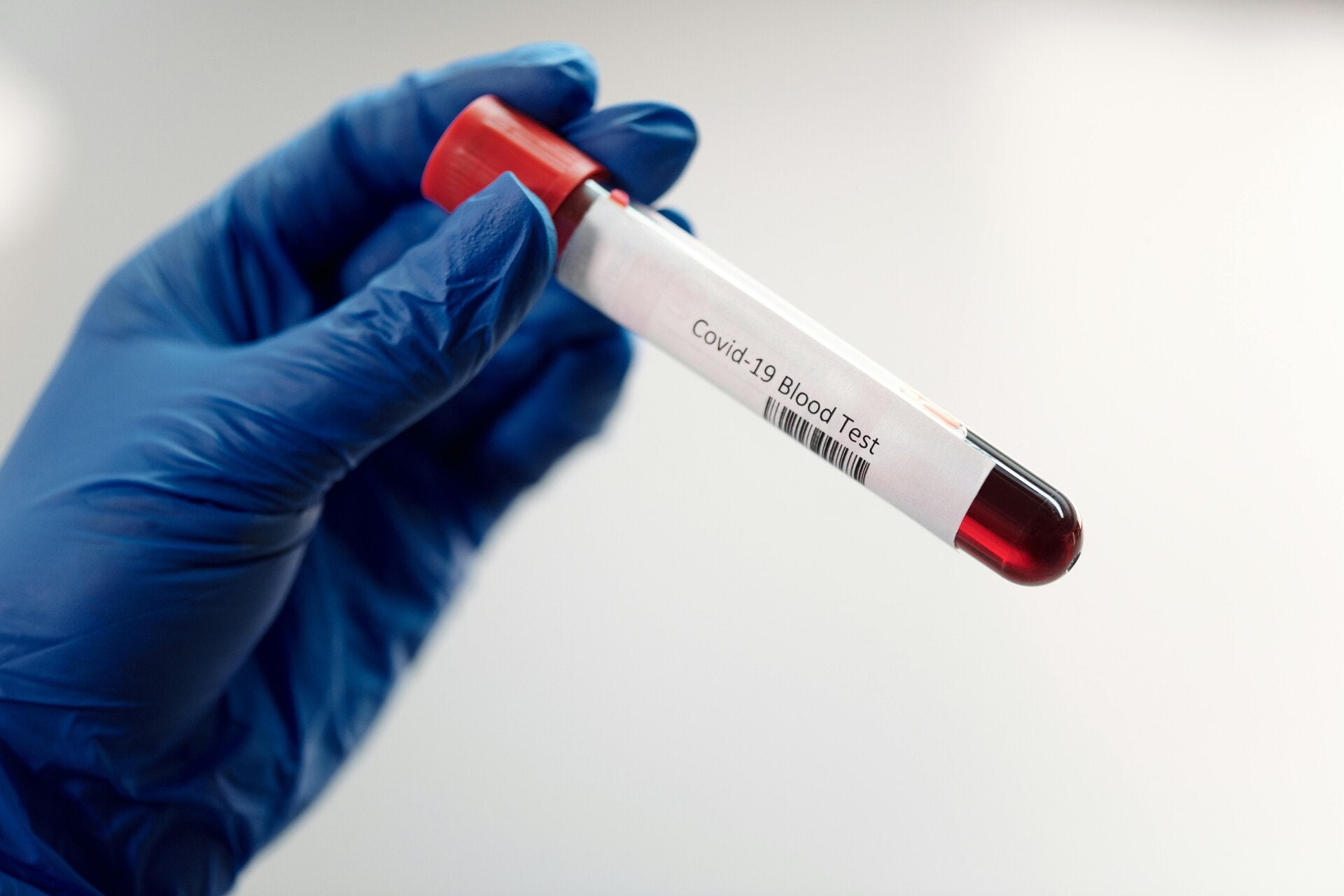
It is natural to think a blood test will confirm perimenopause, but hormone levels fluctuate so much during this stage that a single reading rarely gives a reliable picture. A normal result does not rule out perimenopause, and a raised or lowered level does not always confirm it.
Your symptoms and overall pattern of change are usually far more helpful than a one off blood test.
When to Speak to Your GP or a Menopause Specialist
If your symptoms are affecting your daily life, your sleep, your relationships or your ability to function at work, it is worth speaking to someone who understands menopause care.
A conversation with your GP or a menopause specialist can help you:
- understand what is happening
- explore treatment options
- rule out other causes
- feel more supported and informed
You do not need to wait until things feel unmanageable. Early support can make a real difference.
What You Can Do Now
There are several steps you can take to support yourself during this stage.
Track your symptoms
Keeping a simple record helps you spot patterns and gives your clinician a clearer picture.
Look after your sleep
Gentle routines, reducing screen time before bed and creating a calm sleep environment can help.
Support your mental wellbeing
Talking therapies, mindfulness and regular movement can all support emotional balance.
Consider lifestyle changes
Balanced nutrition, regular exercise and reducing alcohol can ease symptoms for many women.
Explore treatment options
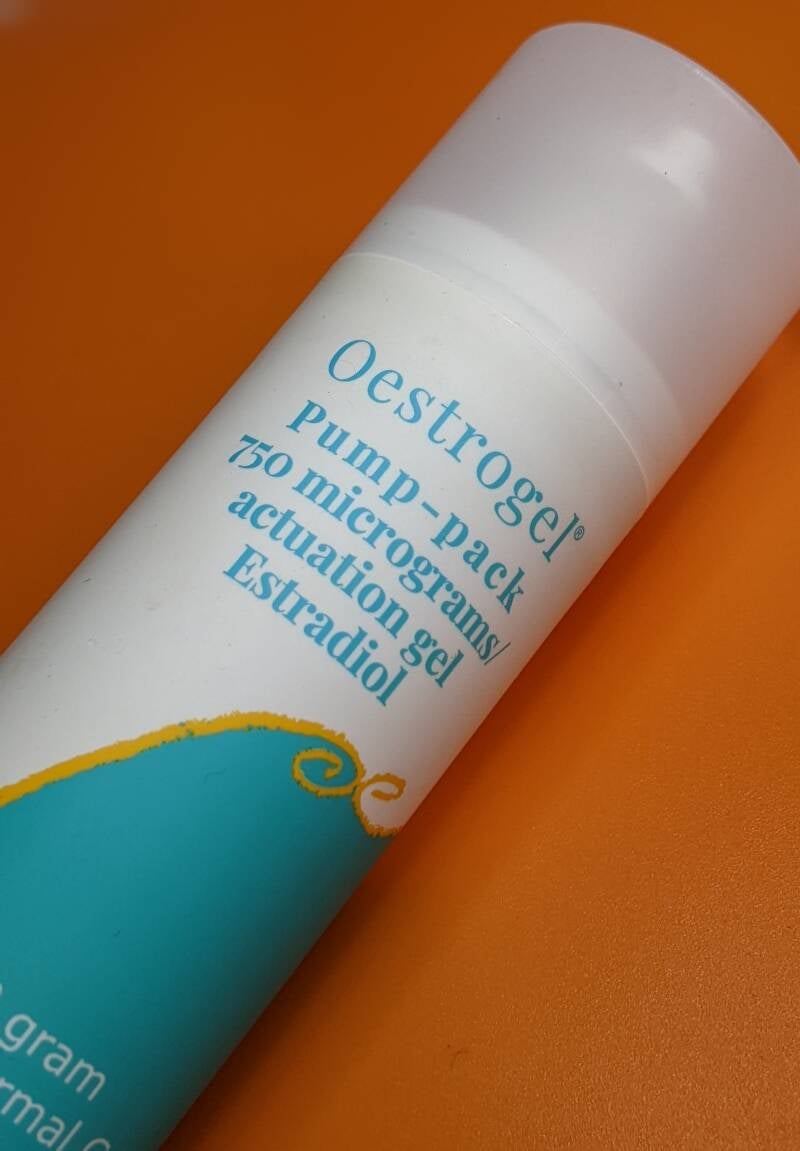
Hormone replacement therapy and other treatments can be very effective, depending on your symptoms and medical history.
You Are Not Alone
Perimenopause can feel overwhelming when you do not know what is happening, but understanding the early signs can help you feel more grounded and prepared. If you recognise yourself in any of these symptoms, it is completely valid to seek support.
At Your Menopause Nurse, we are here to offer clear information, compassionate care and guidance that helps you feel more like yourself again.
Add comment
Comments